
When the Weeds Turn Gold: The Midwest Angler’s Guide to Fall Walleye on the Weedline

Why cooling temps, green weeds, and a little patience create some of the most underrated fall walleye action in the Midwest.

There’s a moment every fall — usually right around the time the jackets come out of the mudroom — when the lakes across the Midwest shift. The mosquitoes finally calm down, the tourists go home, and the water cools just enough that the fish start acting like they’ve waited all summer for this one, glorious window.
And for those of you who chase walleye…
Fall is go time.
More specifically: the weedline is where the magic happens.
Yes, that weedline.
The one most weekend fishermen overlook because the calendar says “fall,” and they assume walleye have packed their bags and headed for 30 feet of water.
But as biologists at various state DNR agencies have documented, including the Minnesota DNR and Wisconsin DNR, healthy green vegetation continues producing oxygen and holding baitfish well into October — which means predators don’t abandon them as quickly as people think.
So, if you’re a Midwest angler wanting to make the most of fall fishing — or you’re just curious enough to step up from “intermediate-ish” to “I actually know what I’m doing” — this is your time to shine.
Let’s talk fall walleyes, weed-edges, and the kind of fishing that reminds you how good autumn can be out on the water.
Why Weedlines Are Still Loaded in the Fall
(And why most anglers forget this… and miss fish because of it.)

Even when the air temps start dropping, underwater vegetation lags behind. According to seasonal aquatic plant studies from the University of Minnesota’s Aquatic Invasive Species Research Center, many common Midwestern weed types — including coontail and cabbage — stay green and healthy later into the season than surface temps suggest.
Remember it this way:
Healthy weeds = healthy oxygen levels
Healthy oxygen levels = baitfish
Baitfish = hungry fall walleye
It’s a simple equation, but walleye treat it like gospel.
While some fish start making their way to deeper hangouts as the season progresses, a surprising number linger around the last remaining green weeds, especially those sitting next to deeper water. Think 8–15 feet, depending on your lake.
This is where the food source gathers.
This is where the oxygen is.
This is where the walleye sit tight… waiting for you to show up.
🎣 The Edges Are Everything

The edges of a lake are like the edges of a pan of brownies: the best part. That’s right…I said what I said.
Sit in the weeds yourself, and you’ll understand why fish prefer the edge: it’s a buffet line with a place to hide and an escape route. Walleyes shimmy in to crush minnows, then shimmy back out toward deeper water.
That’s why the outside weedline is your target.
Look for:
Sharp weedlines dropping into sand or rock.
Cabbage/coontail mixed patches.
Points and inside turns.
Weedbeds near creek mouths or fall inflows.
Weeds adjacent to mid-lake humps.
If you have sonar, your fishing tactics get even easier. Modern CHIRP sonar can show the clean vertical “wall” of the weedline remarkably well. NOAA’s Great Lakes surface-temp datasets also show how temperature transitions influence those edges in fall — a good indicator of where baitfish concentrate.
🪝 Best Presentations for Fall Weed-Edge Walleye
Here’s where advanced anglers perk up — because fall walleye on the weedline isn’t complicated, but it does reward people who put in a little finesse and determination.
1. Jig + Minnow (it’s the Midwest classic — don’t overthink it)
This is peak fall fishing.
Use a 1/8 or 1/4 oz jig and a lively minnow. Pitch just outside the weedline and let it drop. A gentle lift-drop-lift rhythm is all you need.
It works because minnows start migrating toward structure as water cools — verified in field studies by Michigan DNR Fisheries Research.
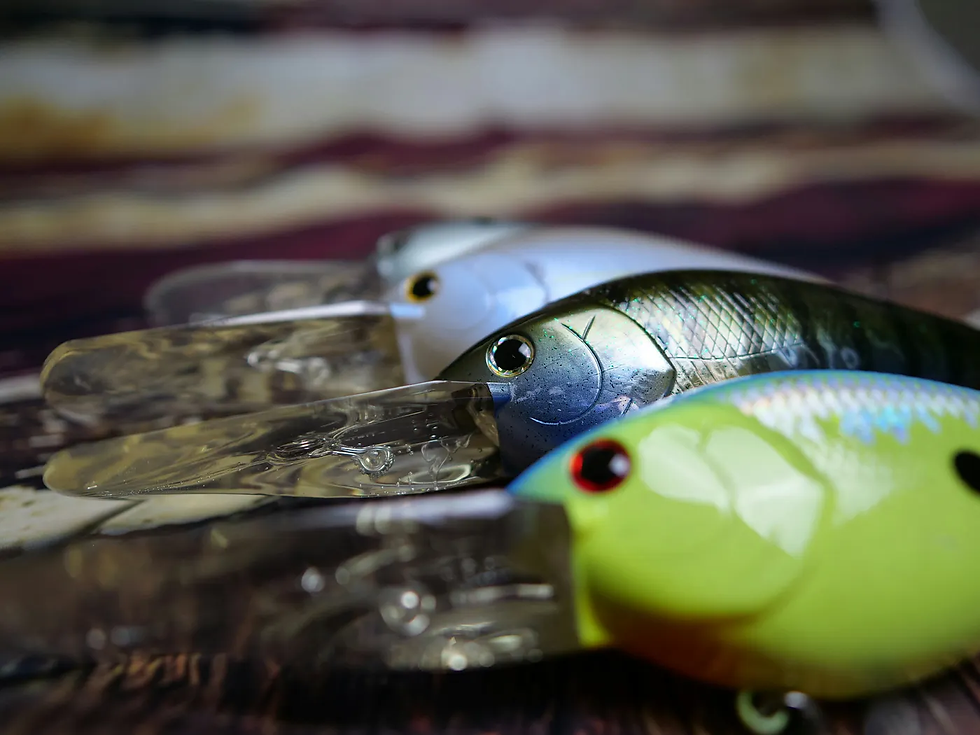
2. Slow-rolled crankbaits
Think shad-style features.
Crawl your crankbaits along the outside weed edge until you feel grass. If you slightly tickle the weeds, then give a sharp snap, many times you’ll get a strike just as you jerk the crank from the weedline or right after.
3. Weedless swimbaits
The name says it all — weedless — and it’s great for fall walleye in the Midwest.
This one makes you feel like you’re cheating. It’s that effective when fish are slightly suspended near the top of the weeds.
4. Slip bobbers (yep, they’re still relevant)
These are especially effective on calm afternoons when the fish push back toward the lip of the weeds.
Use a leech early in the season, then switch to minnows during the late season.
🌡️ Timing: Follow the Water Temps

Most Midwestern fisheries biologists (including those referenced in NOAA’s Great Lakes Environmental Research Laboratory) note that fall walleye activity spikes as water temps dip into the 50s.
This is the moment the fish know winter’s coming — and their feeding window tightens.
Key times:
Late afternoon warm-ups
Calm, high-pressure days after a cold front
The magic hour before sunset
And for the love of all things holy and Minnesotan, dress warm. Don’t be fooled by a 58-degree air temperature; the ride back after sunset hits different.
🧭 Are You Ready for Some Epic Midwest Fishing?

I don’t know about you, but just writing this article makes me want to drop everything and head out to the lake. I’ve got fishing fever and my temperature’s rising.
To help you on your outdoor expedition, I’ve jotted down a few quick tips for a promising fall walleye fishing trip:
Water temps in the low/mid 50s? Yes.
Green weeds still standing? Yes.
Weedline near a sharp drop? Get there.
A jig and minnow tied on? Absolutely.
Patience? Mostly.
Snacks? Mandatory.
Don’t put those fishing poles away just yet, and don’t let the cooler fall temps deter you from enjoying the remaining weeks of the year on the water.
There’s still plenty of time left this season to bring home some walleye for supper.
Now, get out there, scoop up some gills, and snag a few memorable stories to share with your evening meal.
Sources & References
Minnesota Department of Natural Resources — Fisheries & Water Resources
Wisconsin Department of Natural Resources — Fall Aquatic Habitat & Gamefish Behavior
Michigan Department of Natural Resources — Fisheries Division Research Reports
NOAA Great Lakes Environmental Research Laboratory
University of Minnesota — Aquatic Plant & AIS Research Center
Every great business — just like every great fishing trip — has a story underneath the surface. If you ever need help putting yours into words, well… I know a thing or two about finding the right line and casting it where it counts.
Tap the button to learn more:


Comments